Sauna Benefits for Women: What We Know (and What We're Still Learning)
Most sauna research has historically focused on men. Here's what current evidence tells us about how women benefit from hot + cold, and where physiology changes the conversation.

Most sauna research has historically been conducted in men. That doesn't mean the findings don't apply to women. It means we're still learning how female physiology—including hormonal fluctuations, the menstrual cycle, and menopause—shapes the body's response to heat.
The encouraging news? Much of what makes sauna beneficial appears to translate across sexes, while emerging research is beginning to fill in the gaps.
Here's what we know today.
If you've already read our guide to cold plunging for women, you know there's no one-size-fits-all protocol for contrast therapy. The same is true here. While heat and cold affect the body differently, both become more effective when they're adapted to your physiology.
Read next: Are Cold Plunges Bad for Women? What the Evidence Actually Says.
What the Evidence Already Supports
Sauna supports cardiovascular health.
Large population studies from Finland have consistently linked regular sauna use with improved cardiovascular health and lower rates of cardiovascular disease and all-cause mortality. Much of this work comes from researcher Dr. Jari Laukkanen and colleagues, whose studies followed thousands of adults over multiple decades. For women, this may become increasingly important after menopause, when estrogen's protective cardiovascular effects naturally decline.
Heat helps the body recover.
Sauna stimulates production of heat shock proteins, or molecules that help protect cells during stress and support cellular repair. This response has been observed in both women and men, although researchers continue to study how hormones may influence the magnitude of the effect. For women navigating chronic stress, recovery is part of helping the body adapt.
Sauna can help regulate the nervous system.
Heat exposure shifts the body toward parasympathetic ("rest and recover") activity while promoting endorphin release. Studies have also associated regular sauna use with reduced perceived stress and improvements in mood. Sometimes the most meaningful benefit is leaving calmer than you arrived.
Where Women's Physiology Changes the Conversation
Women's hormones influence body temperature, circulation, hydration, and stress responses. That's why sauna may feel different depending on where you are in life.
During your menstrual cycle
Progesterone naturally raises body temperature after ovulation. During this phase, some women find heat feels more intense or fatiguing. Shorter sessions and thoughtful hydration often go further than rigid protocols.
During perimenopause and menopause
Research specifically examining sauna use during menopause is still emerging. Early evidence suggests regular heat exposure may support cardiovascular health, improve sleep quality, and help the body adapt to changes in temperature regulation.

Hot and Cold Work Better Together
Sauna and cold plunge are often treated as opposites. In practice, they're complementary.
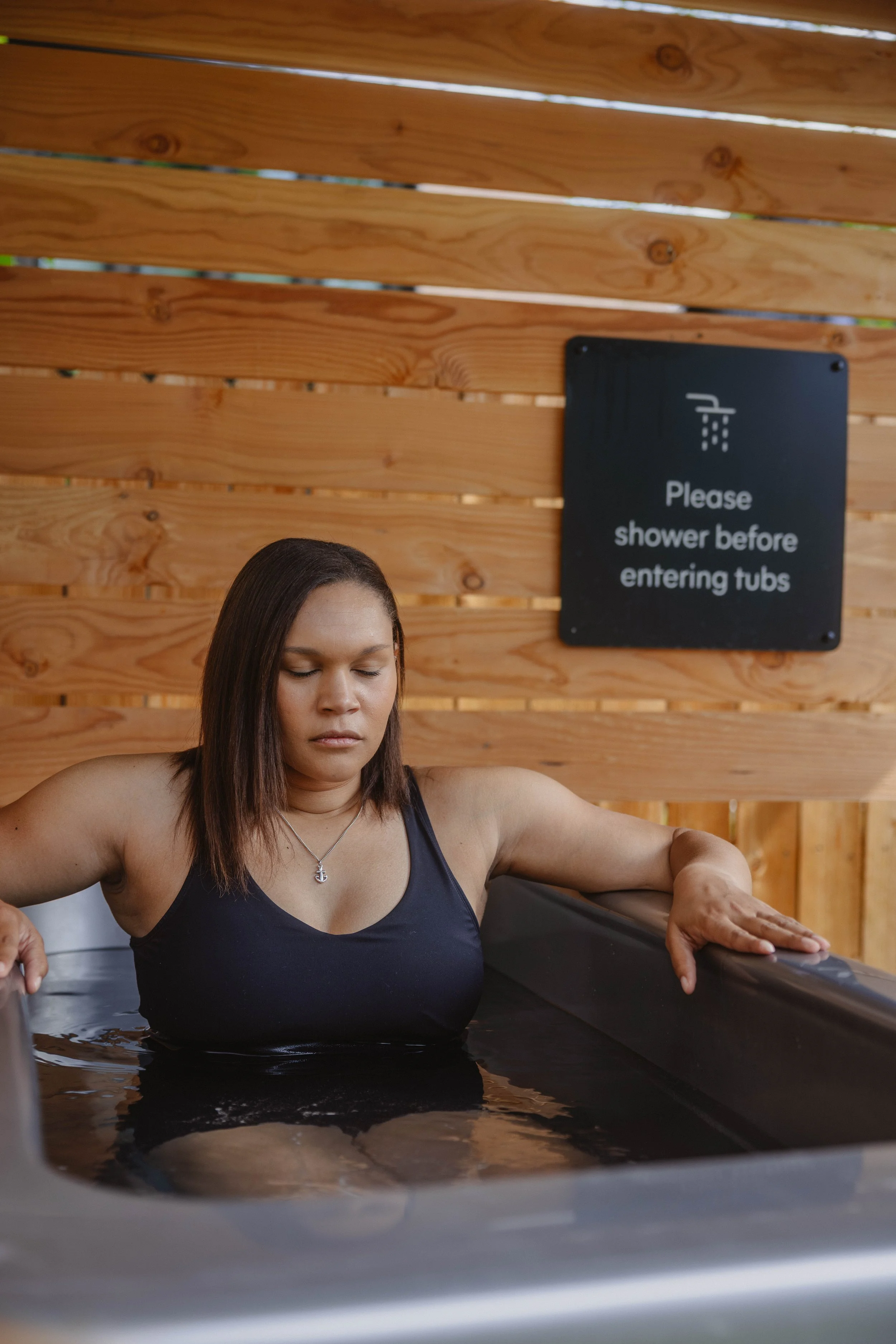
Heat encourages circulation, relaxation, and cellular recovery. Cold challenges the nervous system, sharpens stress resilience, and reduces inflammation. Together, they expose the body to controlled stress followed by recovery. Just as we explored in our guide to cold plunging for women, your hormones, cycle, and stage of life all influence how that experience feels. The goal is to build a routine that works for you.
But here, we don't believe recovery should follow a script.
Some days you'll stay longer. Some days you'll step out earlier.
Building a sustainable practice means paying attention to how your body responds. That's especially true for women. Whether you're looking to manage stress, support recovery, or simply slow down for an hour, sauna and cold plunge work best as a consistent practice.