The Longevity Habits Athletes Swear By And Why More People Are Following Their Lead
The future of recovery isn’t reserved for Olympians or biohackers. It’s built around consistent rituals that help the body regulate stress, recover faster, and stay resilient over time.
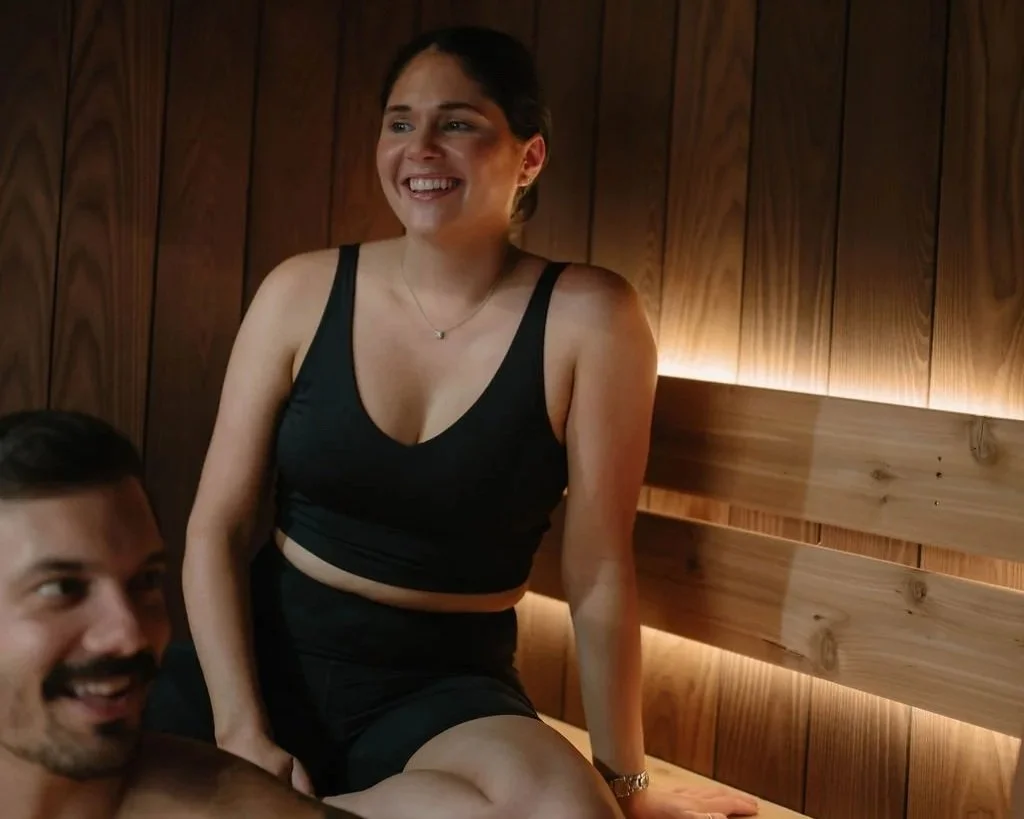
Elite athletes have always searched for an edge. Better training. Better sleep. Better nutrition. Lately, the conversation has shifted away from peak performance at all costs and toward something more sustainable: longevity.
In a recent piece from The New York Times, professional athletes and trainers discussed the routines helping them extend not just their careers, but their quality of life. The throughline wasn’t punishment or optimization culture.
It was recovery.
Sauna. Cold exposure. Breathwork. Sleep. Nervous system regulation. Consistent movement. Less “go harder.” Instead, “recover smarter.” And while most of us aren’t training for the Olympics, the underlying science applies far beyond professional sports.
At Framework, we think that matters.
Longevity Starts With Recovery
For years, recovery was treated like a luxury or an afterthought. Something you earned after pushing your body to its limit. Science shows us something different: recovery is the thing that allows resilience to happen in the first place.
Heat exposure, cold immersion, controlled breathing, and intentional rest all create manageable stressors for the body. In the right doses, those stressors help improve adaptability over time. That process is called hormesis: a biological response where small amounts of stress help the body become more resilient. Contrast therapy, which alternates between heat and cold, works through this same principle. The body responds to temperature shifts by activating circulation, cardiovascular responses, thermoregulation, and nervous system recovery pathways. Over time, these experiences may support everything from recovery and mood to sleep quality and stress tolerance.
The goal is to help the body become better at moving through stress, not avoid it entirely.
Why Athletes Are Turning Toward Nervous System Recovery
The most interesting shift in the longevity conversation is the neurological.
Many athletes are now prioritizing recovery practices that help regulate the nervous system alongside the muscles themselves. (Burnout doesn’t always show up as soreness. Sometimes it shows up as poor sleep, chronic tension, brain fog, irritability, or an inability to fully recover between periods of stress.) Modalities like sauna, cold plunging, breathwork, and vibroacoustic therapy are becoming more mainstream for this exact reason.
Research continues to show that regular traditional sauna use supports cardiovascular health, recovery, circulation, and relaxation. Cold exposure has been linked to mood support, inflammation response, and increased alertness. Breath-led practices help shift the body out of chronic fight-or-flight states and into deeper recovery modes.
Trends and extreme wellness rituals treat longevity like it can be built in one breakthrough session. We know longevity is built through consistent regulation over time. At our studios, these practices are designed to feel approachable, repeatable, and sustainable enough to become part of everyday life.
The Performance Culture Shift
There’s also a broader cultural shift happening around what “performance” even means. The old model rewarded exhaustion. More output. More hustle. Less rest. The newer model is asking different questions:
How long can you sustain your energy?
How quickly can your body recover from stress?
How well can you sleep, focus, connect, and regulate?
What helps you feel strong ten years from now, not just tomorrow morning?
Longevity has become less about extending lifespan at all costs and more about improving healthspan: the quality of the years we’re already living.
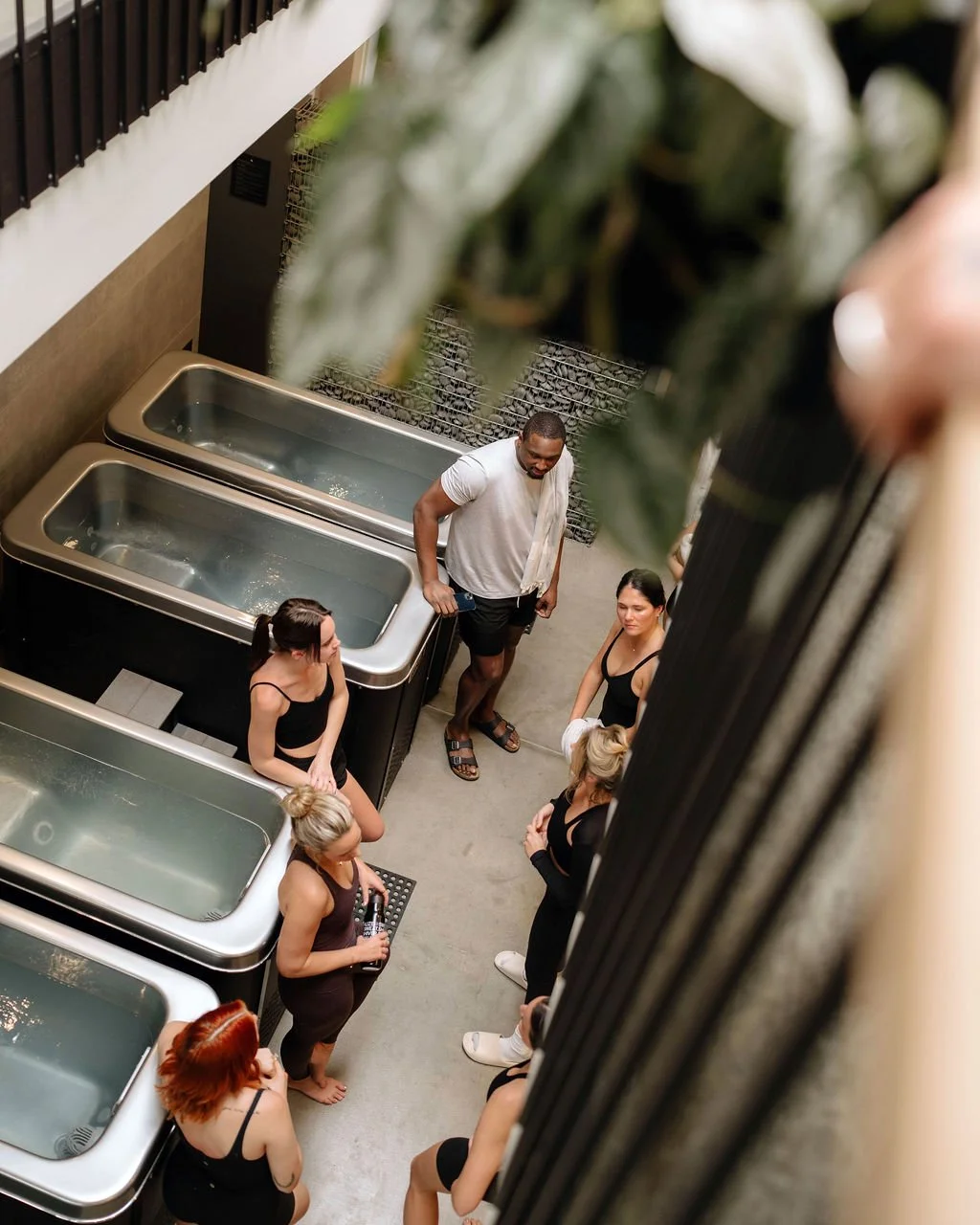
That’s part of why recovery spaces are no longer populated exclusively by athletes. The people showing up for sauna and cold plunge sessions at Framework include founders, creatives, parents, runners, musicians, healthcare workers, and people simply trying to feel more present in their own lives.
Recovery That Fits Real Life
Most people need rituals they’ll actually return to, forget complex protocols. A few sauna sessions each week. A cold plunge after training. Ten intentional minutes without notifications. A quieter nervous system. Better sleep. More capacity.
Small things, repeated consistently, tend to matter more than extreme interventions done once. That’s our approach. Science-backed recovery experiences designed not for perfection, but for real life. Because everyone deserves to feel better in their body for longer.