The Vagus Nerve: Your Body’s Built-In Reset Button
And why contrast therapy is one of the simplest ways to activate it
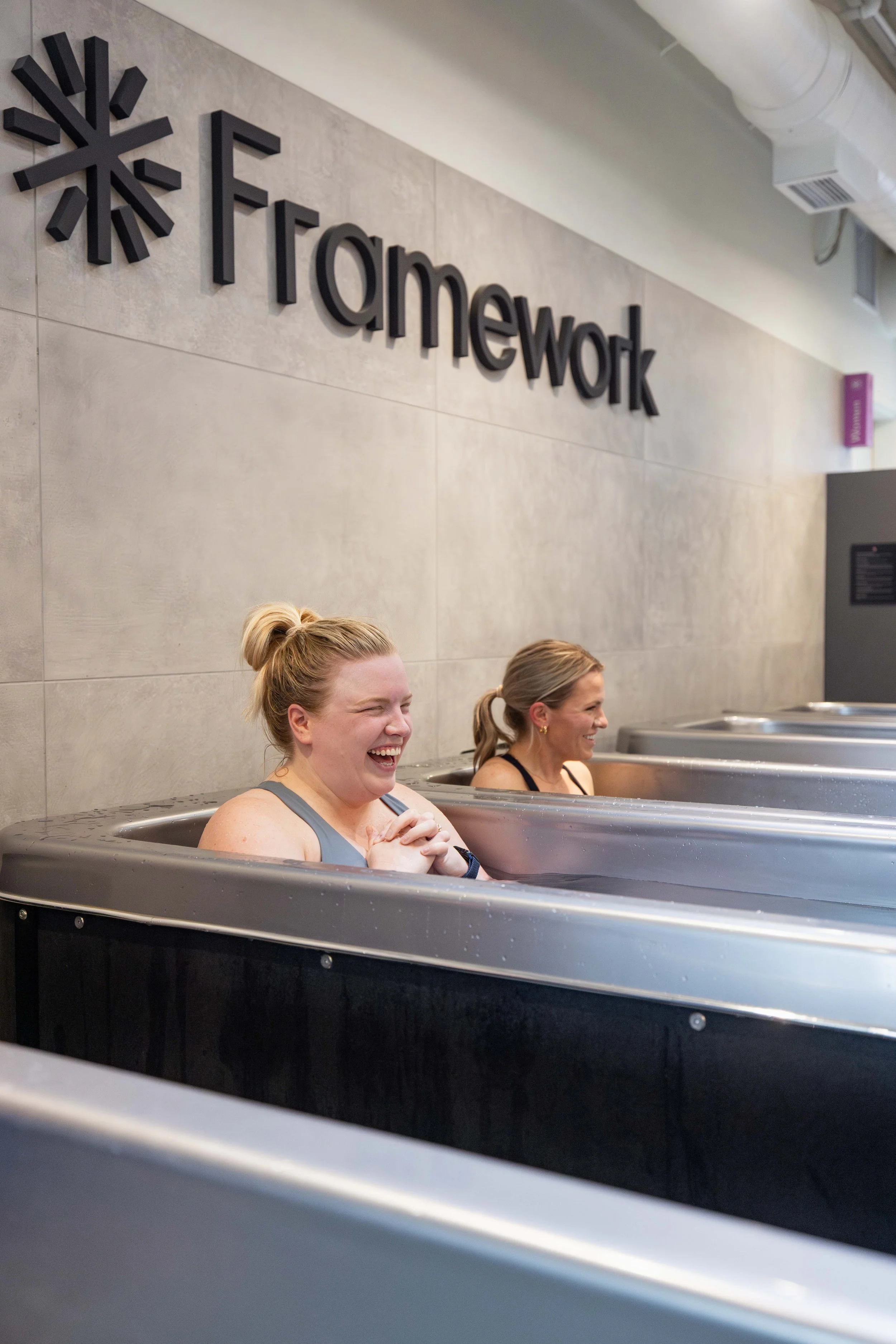
We talk a lot about “training your nervous system” here. About how heat, cold, and breath can build resilience—not by forcing the body into extremes, but by teaching it how to respond with more skill and speed.
At the center of that training is one overlooked system with an outsized impact on how you feel: the vagus nerve.
This wandering, branch-like nerve is the main highway of your parasympathetic nervous system. It’s the part responsible for calming, restoring, digesting, repairing. When your vagus is toned and responsive, your body knows how to shift down from stress efficiently. When it’s underactive? You tend to stay “on,” long after the moment has passed.
The good news: contrast therapy, or alternating heat and cold, is one of the most effective, natural ways to stimulate vagal activity.
What the vagus nerve actually does
Think of the vagus nerve as your body’s built-in feedback loop. It carries signals:
Downward, from your brainstem to your heart, lungs, and gut
Upward, from those organs back to your brain
That two-way communication shapes…
stress recovery and mood
digestion and gut motility
heart-rate variability (HRV)
inflammation and immune response
overall resilience to physical and emotional stress
Scientists call this “vagal tone,” or how efficiently your vagus nerve can shift your body into rest-and-recovery mode when it needs to. Higher vagal tone is associated with better metabolic health, lower inflammation, improved mental health, and increased longevity. Low tone is associated with rumination, chronic stress, and slower recovery.
Heat and cold: two natural switches for vagal activation
Your vagus nerve responds to thermal change. Not extremes. Just deliberate, measurable shifts.
Cold exposure leads to a parasympathetic surge. When your face, neck, or torso meet cold water, receptors immediately signal through the vagus nerve. Within seconds, this can:
lower heart rate
increase HRV (a marker of vagal tone)
decrease sympathetic (fight-flight) activity
increase alertness while still calming the body
This response is strongest in water between 40–60°F, which is where Framework’s plunge temperatures live, supported by studies observing reductions in stress biomarkers, improved mood chemistry, and increased activity in vagus-mediated pathways.
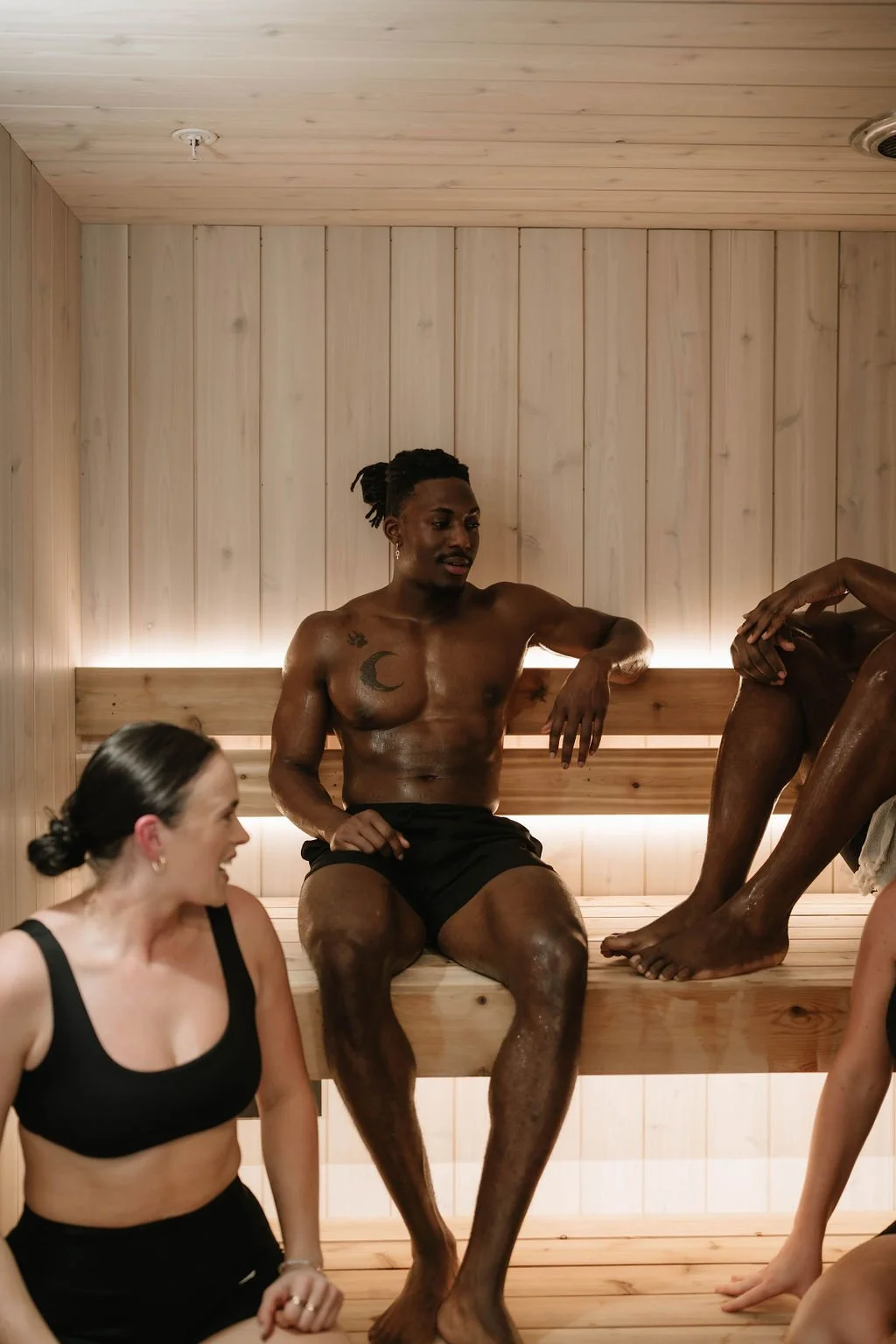
Sauna leads to cardiovascular conditioning that improves vagal responsiveness. Heat stress (in the right dose) raises your heart rate to levels comparable to light cardio. Over time, this improves:
vascular flexibility
blood pressure regulation
the body's speed of switching out of sympathetic activation
When you leave the sauna and move into a cool environment, your vagus nerve helps your body downshift and stabilize. That rapid shift builds “vagal flexibility,” or your ability to move between states without getting stuck in stress.
Why contrast therapy is unusually effective
The real work isn’t heat or cold alone. It’s the oscillation between the two.
This temperature contrast trains your autonomic nervous system the way intervals train your heart. Each switch acts as a rep that strengthens your capacity to:
tolerate discomfort
re-center quickly
regulate stress in real time
improve emotional steadiness
recover from physical strain faster
Contrast therapy has been shown to increase HRV, decrease cortisol, and improve inflammation. It’s not woo-woo. It’s wiring. And when practiced consistently, those improvements compound.
What this means inside a Framework session
Everything we’ve built—lighting, sound, intervals, breathwork cues, the SAVA sound pod, even the distance between sauna and plunge—is designed to support a more adaptive, resilient nervous system.
A typical rhythm at Framework gives your vagus multiple opportunities to engage:
Sauna (170–185°F)
A controlled cardiovascular challenge that elevates heart rate and increases blood flow.
Cold plunge (40–60°F)
A fast vagal signal that pulls you into parasympathetic activation. Most members notice calmer breath, clearer focus, and an immediate sense of mental easing. For the highest vagus nerve activation, submerge your neck up to the base of your skull, as the nerve terminates there.
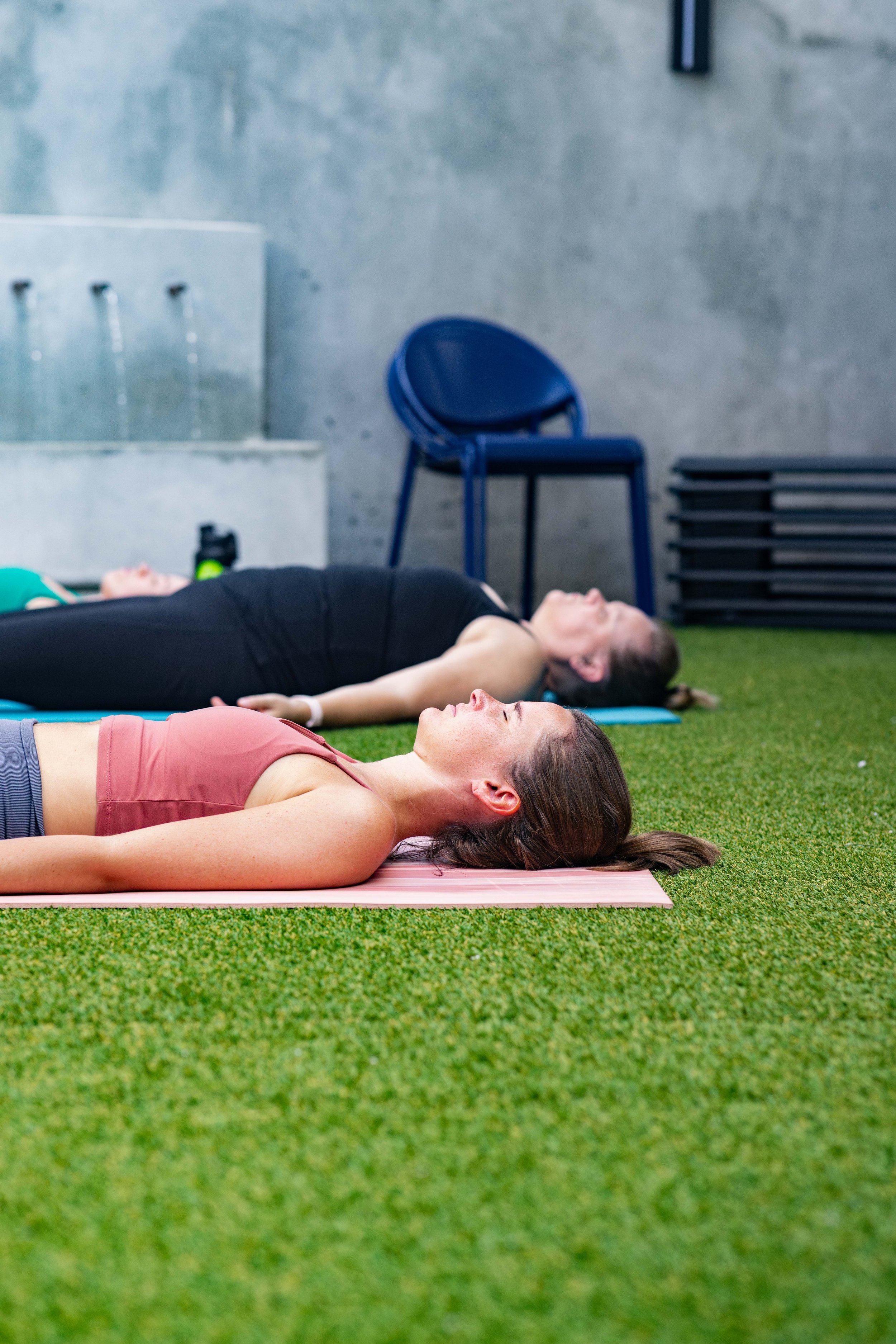
Recovery + Breath
Where your body integrates the shift. HRV rises, stress hormones rebalance, and your vagus learns how to settle your system faster.
Repeat
Because resilience is built through gentle repetition, not intensity.
Across even 2–3 cycles, your vagus nerve gets a well-rounded workout. People often describe:
quicker recovery between hot and cold
less bracing, more breathing
a more stable mood throughout the day
better sleep
fewer “spikes” in stress response
improved focus and sense of groundedness
That’s vagal flexibility in action. It’s the feeling of your body becoming a safer place to live.

The bottom line
Your vagus nerve is the quiet regulator of your internal world. Contrast therapy is one of the most accessible and effective ways to support it. Do it consistently, do it mindfully, and your nervous system will meet you with more resilience, more calm, and more clarity in the moments you need it most.