A Case For Indulging In The Elements

Why light, cold air, and temperature contrast are regulatory, not optional, in Winter.
Winter tends to shrink our world indoors.
When was the last time you were truly outside? Not just moving between buildings, but immersed in a living environment? Light hitting your eyes directly. Breath adjusting to cold air. Temperature shifting against your skin.
We often treat time outdoors as recreational. Science suggests its regulatory.
Your Nervous System Expects Nature
Modern physiology increasingly supports a simple idea: the human body evolved in dynamic environments, not climate-controlled ones.
Natural daylight hitting the retina regulates melatonin and cortisol timing. It anchors your sleep-wake cycle, improves mood, and influences everything from metabolism to immune function. Reduced winter light exposure is strongly associated with circadian disruption, low energy, and seasonal mood shifts.
Even brief outdoor exposure—15 to 20 minutes—has been shown to:
Reduce cortisol and for stress relief
Increase noradrenaline for focus and alertness
Increase dopamine for motivation and drive
Activate brown fat for higher caloric burn and improved insulin response
Reduce inflammation for recovery and performance
Dr. Susanna Søberg describes nature not as a luxury, but as a “biological necessity.” Natural light, fractal visual patterns, temperature variation, and rhythmic outdoor sound all signal safety to the parasympathetic nervous system.
When those signals are absent, stress accumulates. When they’re reintroduced, recovery accelerates.
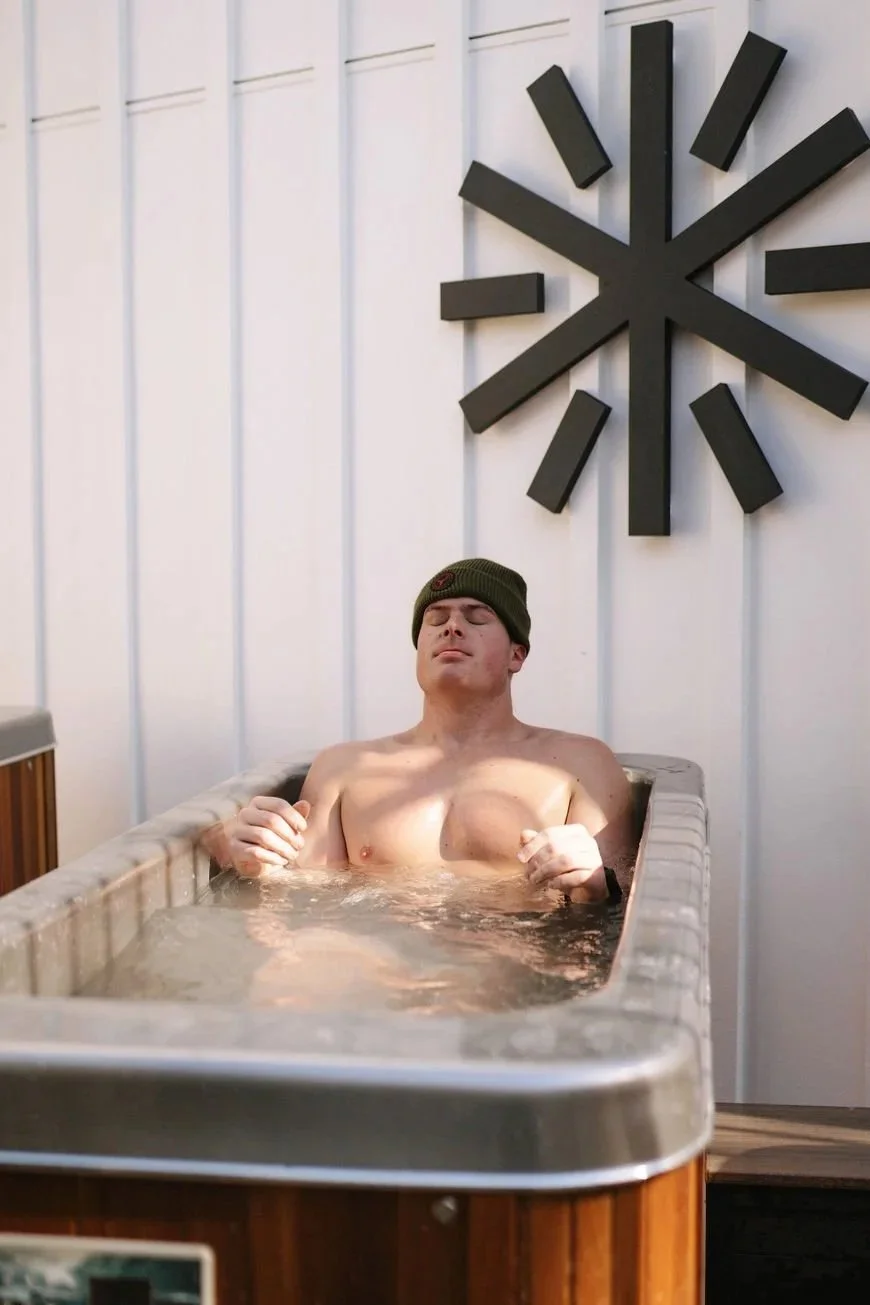
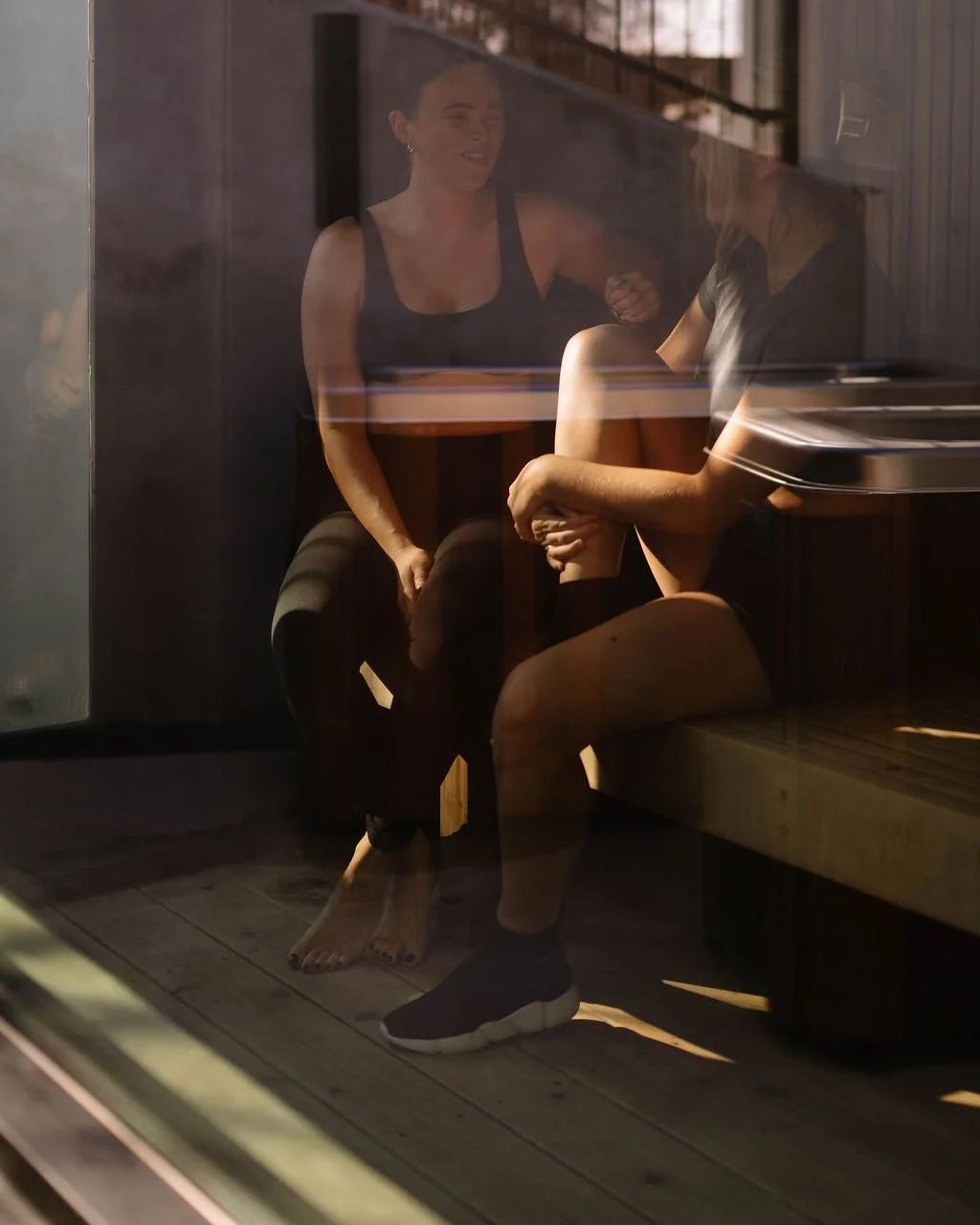
Outdoors, at Framework
One of the most overlooked pieces of modern health is temperature stability. We live in narrow bands of comfort. But human physiology thrives on fluctuation.
This is part of why sauna culture emerged in cold climates. Stepping into winter air after high heat is evolutionary. Cold air provides a gradual, intuitive cool-down that can be more regulating than immediate immersion.
Over time, this builds cold tolerance and psychological resilience. You become less fragile to your environment.
Alternating between sauna heat and cold outdoor air stimulates:
Brown adipose tissue activation
Improved mitochondrial efficiency
Increased norepinephrine (supporting focus and mood)
Enhanced vascular elasticity
Improved cardiovascular conditioning
That’s why, from the very beginning, outdoor exposure has shaped Framework’s design.
Our launch location in Berry Hill was entirely outdoors. No walls. Just patio, open air, an outdoor sauna, and three temperatures of cold plunge. Even now, the Flagship patio remains the most active space—where Framework Fitness classes happen, where people gather between rounds, where heat meets air.
We’ve since built an entire location, The Backyard, that lives fully outside.
Our outdoor saunas, plunges, and open-air transitions aren’t aesthetic decisions. They’re physiological ones. They allow natural cool-down. They anchor light exposure. They preserve temperature contrast.
Because recovery needs to embrace that rhythm.